How Professional Landscaping Enhances the Guest Experience at Resorts
A guest starts forming an opinion about a resort long before they reach reception. It happens on the drive in, on the walk to the lobby, and in those first quiet moments when they look around and decide how the place feels. This article looks at how professional landscaping shapes that experience, from first impressions and privacy to relaxation, sustainability, and the little details guests remember after they leave.
Key Takeaways
- First impressions shape expectations: Thoughtful landscaping helps guests feel they have arrived somewhere worth getting excited about.
- Local plants create a stronger sense of place: Native and climate-suited planting gives a resort more character and a closer connection to its setting.
- Strategic greenery improves privacy: Trees, hedges, and layered planting can make outdoor spaces feel sheltered, peaceful, and more exclusive.
- Sustainable landscaping supports long-term value: Water-wise design and practical planting choices can reduce costs while improving presentation.
- Ongoing maintenance protects the guest experience: Even the best landscape design loses its charm if the grounds are not consistently looked after.
How Does First-Impression Landscaping Influence Resort Guests?
First-impression landscaping is the part of the outdoor environment guests notice as soon as they arrive. It sets the mood, hints at the standard of the property, and starts shaping the guest experience before anyone says a word. Furthermore, it often affects how guests feel about the resort before they have even seen their room.
That first impression carries more weight than many operators realise. After a long drive, a flight, or a day of travel delays, people are often tired and slightly on edge. A calm, well-kept entrance can shift that feeling almost immediately. It tells guests they are somewhere considered, cared for, and ready to welcome them.
A polished arrival area does not need to be flashy. In fact, what guests usually respond to is the feeling it creates. Neat paths, healthy planting, clean edges, and a sense of space all work together to make the property feel settled and professional.
The following design elements often make the biggest difference:
- Structured entryways help draw the eye towards reception and make arrival feel smooth and organised.
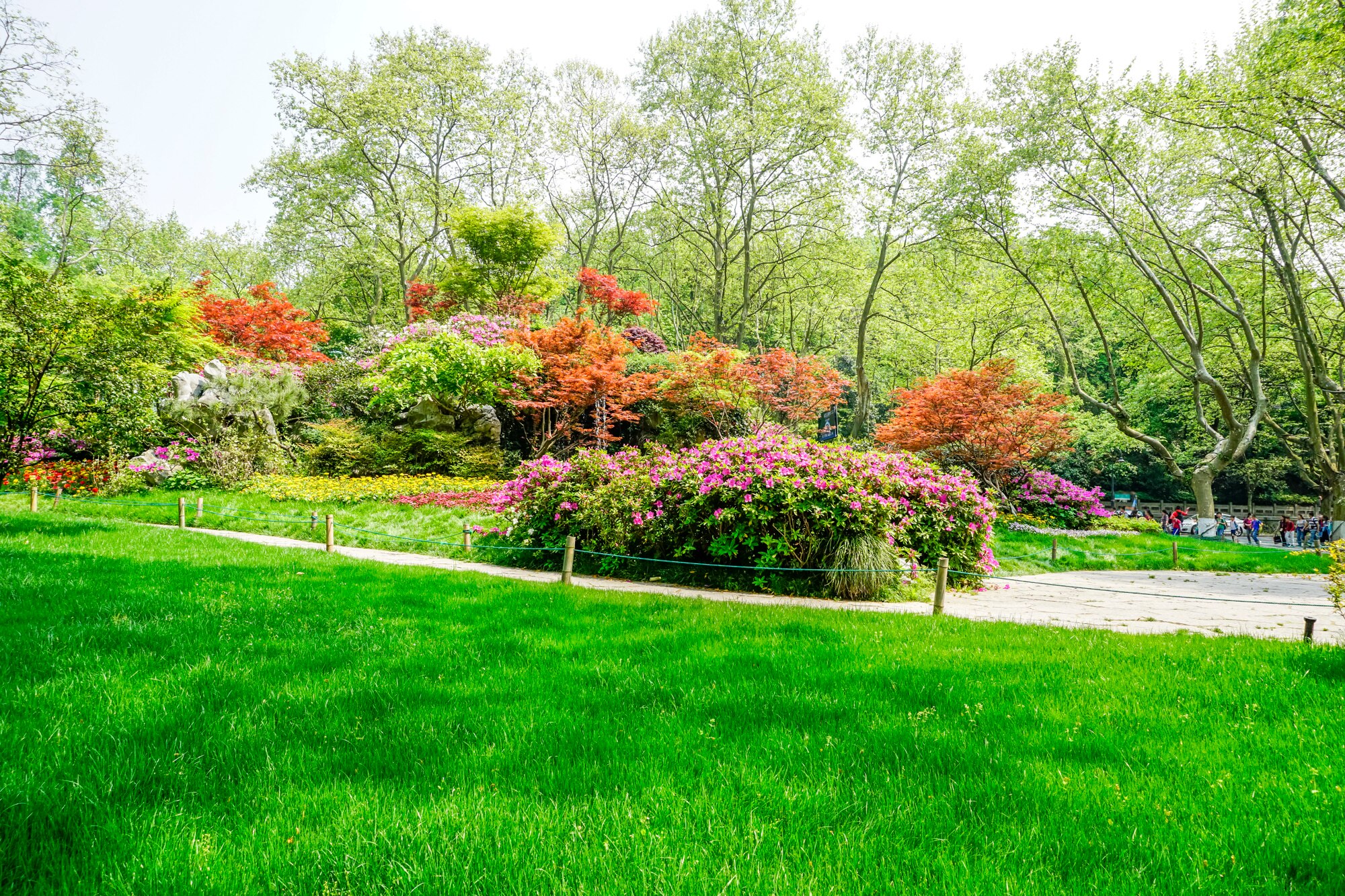
- Lush green spaces create a sense of calm and contrast with the busy, built-up places many guests have just left behind.
Moreover, guests tend to connect attractive grounds with better overall quality. If the landscape looks cared for, they often assume the same level of care extends to the rooms, dining spaces, and service. That connection may be emotional rather than logical, but it is real. The takeaway is clear: a strong arrival experience creates confidence, comfort, and anticipation from the very beginning.
What Role Does Local Flora Play in Creating a Sense of Place?
Local flora is the mix of native or regionally appropriate plants used to reflect the natural identity of a location. It helps a resort feel grounded in its setting rather than dropped into it. Additionally, it often performs better in local conditions and supports a more practical long-term landscape plan.
Guests do not choose a coastal resort, rainforest retreat, or hinterland escape because they want something generic. They want the place to feel distinct. They want to feel, even subtly, that they could only be here and nowhere else. Landscaping plays a big role in that.
When the planting reflects the local environment, the experience feels more believable. The colours make sense. The textures fit. The whole property feels more connected to the land around it. By contrast, a landscape filled with plants that look imported for appearance alone can feel less authentic, even if guests cannot quite explain why.
The comparison is simple:
- Native planting helps guests connect with the region and usually handles local weather conditions more naturally.
- Exotic planting may look striking, but it often needs more water, more attention, and more intervention to keep performing.
Moreover, local planting can enrich the experience in ways that go beyond appearance. It can attract birdlife, support shaded walking areas, and give the resort a stronger sense of identity. In places such as Far North Queensland, coastal WA, or the NSW hinterland, landscaping that mirrors the surrounding environment helps the whole property feel more memorable.
That matters because guests tend to remember places that feel genuine. In short, local flora helps a resort feel less manufactured and more rooted, which is exactly what many travellers are looking for.
How Can Strategic Planting Enhance Privacy and Seclusion?
Privacy landscaping is the use of planting and natural design features to screen views, divide spaces, and create a sense of seclusion. It helps outdoor areas feel more comfortable without making them feel closed off. Furthermore, it can improve both visual privacy and sound control.
Privacy is one of the biggest drivers of comfort in a resort setting. A guest can have a beautifully designed villa or balcony, but if they feel overlooked, the experience changes. People want space to breathe. They want to sit by a plunge pool, enjoy an outdoor bath, or read on a terrace without feeling exposed.
This is where smart planting does a lot of heavy lifting. Greenery can create separation in a way that feels soft and natural, rather than hard and defensive. It can screen views, buffer noise, and still make a space feel open to the outdoors.
The following approaches are commonly used:
- Dense vertical planting, such as bamboo or narrow screening trees, blocks sightlines quickly and effectively.
- Layered planting, including shrubs, trees, and ground cover, creates a softer and more natural form of separation.
Moreover, natural screens usually do more than provide privacy. They bring texture, shade, movement, and atmosphere. A fence may block a view, but it rarely adds much to the guest experience. A layered garden border can make the same space feel private, lush, and far more considered.
The main takeaway is that strategic planting does not just hide one area from another. It helps outdoor spaces feel calmer, safer, and more exclusive, which is exactly what many guests are paying for.
What Is the Psychological Impact of Green Spaces on Guest Relaxation?
Green space psychology is the study of how natural settings affect stress, mood, and emotional wellbeing. In resorts, it helps explain why gardens, trees, shaded paths, and open lawns can make people feel better almost without noticing. Additionally, it shows why landscaping is such an important part of the guest experience.
Most guests are not booking a resort simply because they need somewhere to sleep. They are booking a break. They want to slow down, switch off, and feel a little removed from the pace of everyday life. Green spaces help create that shift.
There is something about being surrounded by plants, filtered light, and softer natural textures that changes how a place feels. A quiet garden path can lower the energy of the day. A shady courtyard can become the spot where someone finally exhales. Even a well-placed lawn or cluster of trees can make a built environment feel more open and restful.
Common green space formats include:
- Restorative gardens designed for quiet reflection, slower movement, and visual calm.
- Active green areas that support light recreation, family use, or informal gathering.
Moreover, greenery softens the edges of a property. It breaks up hard surfaces, reduces the visual dominance of buildings, and creates a setting that feels easier to settle into. Guests may not describe it in technical terms, but they often express the result in simple language: the place felt peaceful, fresh, and easy to be in.
In short, green spaces are not just there to fill the gaps between buildings. They are part of the reason guests feel rested by the end of their stay.
How Do Multi-Sensory Experiences Elevate Landscape Design?
Multi-sensory landscaping is a design approach that considers how a space smells, sounds, and feels, not just how it looks. It turns a beautiful outdoor area into one that guests actually remember. Furthermore, it helps create moments that feel more immersive and emotionally memorable.
The landscapes people remember most are rarely just visual. Often, what stays with them is the scent of flowers near a path, the sound of water near a spa, or the soft rustle of grasses moving in the breeze. Those details stay in the mind because they are tied to feeling.
The following features are especially effective:
- Aromatic plants such as jasmine, gardenia, or lavender add fragrance and help shape emotional memory.
- Water features create gentle background sound that masks mechanical noise and supports relaxation.
- Textural planting such as ornamental grasses or layered foliage adds movement and tactile interest.
Moreover, where these elements are placed matters just as much as what is chosen. Fragrant planting near outdoor dining spaces or along pathways can make an ordinary walk feel special. The sound of water near treatment rooms or secluded seating areas can make the whole space feel quieter and more removed from the rest of the property.
The key point is that great landscaping is not just something guests see. It is something they experience. When the landscape engages multiple senses, the stay feels richer, warmer, and more personal.
How Does Functional Landscaping Improve Wayfinding and Transitions?
Functional landscaping is the use of planting and layout to guide movement and define spaces within a property. It helps guests understand where to go without needing constant signs or directions. Additionally, it makes large resorts feel easier to navigate and more comfortable to move through.
A resort can be stunning and still be frustrating if guests cannot work out where things are. No one wants to spend their first afternoon trying to figure out which path leads to the pool, where breakfast is served, or how to get back to their room after dinner. Good landscape planning helps remove that friction.
Planting can quietly steer people in the right direction. It can frame the main route, discourage wandering into service areas, and help guests build a mental map of the property as they move through it.
The following features help improve wayfinding:
- Path-edge planting gently directs guests along the intended route and discourages wandering into service or staff areas.
- Landmark planting such as feature trees or distinctive garden zones helps guests build a mental map of the property.
Moreover, landscaping can help signal changes in atmosphere. A lush, enclosed walkway leading to a spa can make the transition feel slower and quieter. More open planting near social zones such as bars and pools can make those spaces feel lively and accessible. Guests may not consciously read these cues, but they respond to them.
The takeaway is practical: landscaping should not only make a resort look better. It should help the property feel easier, more intuitive, and more enjoyable to use.
Which Sustainable Landscaping Practices Benefit Resorts?
Sustainable landscaping is an approach that reduces environmental impact while still supporting strong visual appeal and long-term performance. It focuses on using water wisely, selecting the right plants, and designing for the local climate. Furthermore, it is becoming an increasingly visible part of how guests judge a resort.
Sustainability matters because it is now part of the guest conversation. Travellers are paying closer attention to how properties use resources, especially in areas where drought, heat, and environmental pressure are real concerns. A landscape that looks beautiful while using less water and fewer inputs sends a strong message about how the resort operates.
Common approaches include:
- Xeriscaping uses drought-tolerant plants and low-water design principles to reduce irrigation needs.
- Traditional high-water turf design can look lush, but it often requires heavy water use and ongoing maintenance.
In addition, practical measures such as mulching, soil improvement, climate-suited species, and smart irrigation systems can improve resilience and reduce long-term costs. These are not just environmental wins. They are operational wins as well.
Guests also tend to notice when sustainability feels genuine rather than decorative. A resort that works with the local climate often feels more honest and better managed than one trying to force an imported look that does not belong in the setting. The message is straightforward: sustainable landscaping supports the environment, lowers pressure on operations, and strengthens brand credibility at the same time.
What Is the Connection Between Maintenance and Perceived Quality?
Landscape maintenance is the ongoing care needed to keep outdoor spaces healthy, tidy, and consistent with the original design. It protects the appearance of the property, supports safety, and preserves guest comfort. Moreover, it has a direct impact on how guests judge overall quality.
Guests notice more than operators sometimes expect. They see overgrown edges, tired lawn patches, fallen branches, dead foliage, and neglected garden beds. Even when these details seem minor, they affect the bigger picture. They can make a premium resort feel less polished, less cared for, and less aligned with its pricing.
The distinction is important:
- Preventative maintenance keeps issues from becoming visible through regular pruning, monitoring, and care.
- Reactive maintenance deals with problems after they affect appearance, safety, or guest perception.
Moreover, maintenance is not only about what gets done. It is also about when and how it is done. A leaf blower outside a villa first thing in the morning can undo the calm the landscape is meant to create. Good maintenance protects the guest experience quietly, consistently, and without drawing attention to itself.
The takeaway is simple. Strong design creates the promise, but maintenance is what keeps that promise believable every day.
What Can We Learn from World-Class Resort Landscaping Examples?
Landscape case studies are real examples that show how good design works in practice. They reveal what guests respond to, what ages well, and what helps a resort feel distinctive without trying too hard. Furthermore, they show that the best landscapes are often the ones that feel effortless.
Some of the most admired resort landscapes in the world are not necessarily the most elaborate. They are the ones that feel settled, natural, and appropriate to the site. They do not fight the location. They lean into it.
For example:
- Rainforest-integrated resorts in Northern Queensland often preserve mature trees and build around the existing environment.
- Terraced water landscapes in Bali show how drainage, beauty, and cultural character can work together in one design approach.
Moreover, these examples highlight an important truth: the strongest resort landscapes usually respect what is already there. They work with the shape of the land, the climate, the light, and the natural character of the region. That is often what gives them staying power.
That is the lesson worth taking seriously. Guests respond best to places that feel intentional and grounded, not over-designed or disconnected from their surroundings.
Why Is Landscaping a Core Investment in Guest Satisfaction?
Landscaping is a long-term asset that shapes how a resort feels, how it is remembered, and how it is valued by guests. It is not just decoration around buildings. It is part of the stay itself. Additionally, it can influence reviews, repeat bookings, and the ability to justify premium pricing.
Guests may not remember every interior detail of a room, but they often remember the feeling of the property as a whole. They remember the arrival drive. They remember the walk to breakfast through tropical planting. They remember the courtyard that felt private and quiet at the end of the day. Those moments stay with people because they shape the emotional memory of the trip.
Professional landscaping supports guest satisfaction in several ways:
- It makes the property feel welcoming from the start.
- It creates attractive, usable, and emotionally rewarding outdoor spaces.
- It improves privacy, comfort, and movement across the site.
- It reinforces the identity of the resort and the destination itself.
Moreover, well-maintained landscaping often becomes more valuable over time. As trees mature and gardens settle, the property can gain depth and character that newer developments simply cannot replicate. For operators, that makes landscaping one of the most practical and visible long-term investments on the site.
The final point is straightforward: when landscaping is planned professionally and maintained properly, it does not just improve appearance. It helps shape the entire guest experience, often in ways guests feel before they ever put them into words.
Frequently Asked Questions
What is the most cost-effective way to improve resort landscaping?
In many cases, the most cost-effective improvement is introducing native or climate-suited planting. These species usually require less water, adapt better to local conditions, and reduce long-term maintenance pressure.
How long does it take for privacy landscaping to become effective?
That depends on the plant selection and growing conditions. Fast-growing screening species may offer useful coverage within 12 to 18 months, while denser hedge systems can take several years to fully establish.
Why should a resort prioritise sustainable landscaping?
Sustainable landscaping helps reduce operating costs, supports environmental goals, and aligns with what many guests now expect from hospitality brands. Moreover, it can improve resilience during dry periods and extreme weather.
How does landscaping affect a resort’s spatial navigation?
Landscaping supports navigation by guiding guests visually through the property. Path planting, feature trees, and clear transitions between zones help people move around with less confusion.
What are the risks of using non-native exotic plants?
Non-native species may need more water, more fertiliser, and more hands-on care to survive. In some cases, they can also become invasive and create longer-term management issues for the property.