

















Lightweight but Strong: The Benefits of Hollow Concrete Blocks
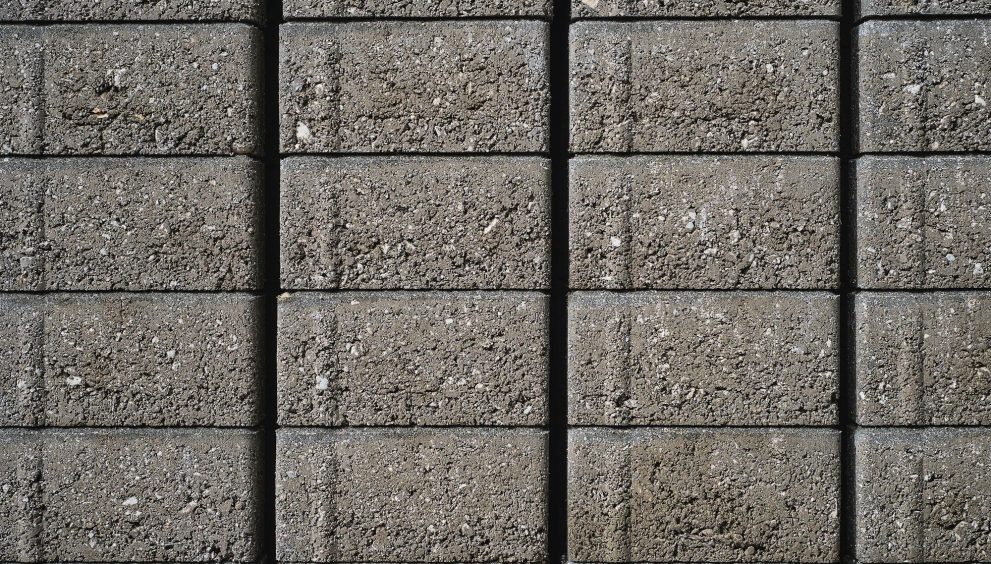
Concrete probably embodies a rock solid building material. So, to begin with, the idea of drilling holes in it may seem a little strange.
But those holes have a purpose. Because you have to leave room in the final design for the rest of the block to give it strength and support, hollow concrete blocks are just that: holes in the block. Those holes can even be filled with concrete or grout or used for reinforcement during the construction process.
National Masonry’s concrete grey blocks are designed to be used on the mainstream concrete blocks market but are also available in a variety of block sizes, types and shapes with a 100, 120, 150, 200 and 300 series blocks and a variety of specialist blocks for other uses.
Why are concrete blocks hollow?
The most obvious benefit is weight.
A hollow block contains less concrete than a similar solid block, which may mean it will be easier to move around the building site. This doesn’t necessarily mean every hollow block is particularly lightweight – a larger block will still have much of the solid weight – but you’re removing material from the middle of the block.
National Masonry gives a description of their Concrete Grey Blocks as being ‘a lightweight high strength concrete made with recycled fly ash’ and they’ve been used for both residential and commercial construction, the building of homes and schools.
And when you’re building an whole wall out of them, it’s definitely good that the blocks are easy to manipulate.
Hollow doesn’t mean weak
Everyone tends to think that if a concrete block is filled solid, then it will clearly be more robust than the ones that are left hollow. Well, it’s a little more complicated than that.
Hollow or solid blocks may not always be relevant to the actual performance of a masonry wall. It is important to look at the system as a whole and not just the hollow blocks. Factors such as the specified strength of blocks, wall design, mortar, reinforcement, foundations and the loads imposed on the wall are all important.
The presence of the hollow cores in structural masonry can actually be a benefit for the project, as these can be used as channels for the reinforcement and concrete or grout when necessary.
There is a choice of H blocks, channel blocks, lintel blocks and cleanout blocks available from National Masonry allowing the builder a choice of ways to embed the reinforcement and work on certain sections of the structure.
So don’t think of the holes as a weakness; think of them as the design of the block.
There are plenty of options
All projects aren’t created equal.
Types Offered by National Masonry:
- 100 series blocks for thinner wall applications
- Blocks of 120 series
- 150 series blocks
- 200 series blocks
- 300 series blocks
- Heavy-duty blocks
- Specialist blocks including lintels, channels, H blocks and cleanouts
The sizes, weights and specs of different products also differ. For instance, a standard 150 series hollow block is 390 × 190 × 140mm with a standard 200 series being 390 × 190 × 190mm. However, National Masonry lists some specific blocks with fire-rating information and alternate strength specifications.
That variety comes in handy since selecting a block isn’t only a matter of grabbing the one that appears strongest. The product you want is determined by what you’re building and what the finished wall needs to do.
Where are hollow concrete blocks used?
Concrete masonry blocks are used in virtually all types of construction. In addition to the specific product and the required design, applications for these can be:
- Residential construction
- Commercial buildings
- Schools and other public buildings
- External and internal masonry walls
- Load-bearing construction
- Foundations and other structural applications
- Reinforced masonry
The grey block range from National Masonry is ideal for a number of building applications, with a range suitable for various structural and performance needs.
For any structural build, however, you need to make sure you’re getting the product for the project, not just that one product is suitable for everything.
The holes can actually be useful
The more you start looking at hollow concrete blocks, the less empty those spaces seem to be.
Depending on the block the cores can provide a void for reinforcement and concrete or grout filling. Special shapes can be used to facilitate the inclusion of reinforcement, form openings or cater for specific areas of a wall.
This is why National Masonry makes more than just solid rectangular blocks. Its series features lintels, channels, H blocks, cleanout blocks, control-joint blocks and different shapes tailored to specific building requirements.
The end result is a masonry system designed to be applicable to the job, rather than a one size fits all block for every part of the project.
What about fire and insulation?
Concrete masonry has some contribution to a building’s fire and acoustic performance, but it is a bit more specific than that.
Not every hollow concrete block performs the same. Unlike other companies, National Masonry offers fire-rating data on a selection of our products and we don’t see the point of providing a single fire rating on all grey blocks. Take our 120, 150, 200 and 300 series products for example, many of these have a listed two hour insulation FRL.
You will also need to consider the final performance of the constructed wall, as the final design and build requirements will impact how well it performs, so ensure you check the product specifications for the application.
Choosing the right hollow concrete block
There is more to the selecting a block than the size.
Prior to choosing a product, think about:
- For what the wall is serving
- The required wall thickness
- Whether the construction is load-bearing
- Reinforcement or core filling needed
- Requirements for fire rating
- The relevant project specifications and standards
- The particular product’s technical information
National Masonry offers product guides, datasheets and other technical files. As per the National Masonry website, dimensions are nominal and subject to manufacturing tolerances applicable to the Australian Standard.
A practical choice for modern construction
Hollow bricks aren’t hollow simply for the benefit of saving a few pounds. The hollow shape of these bricks provides construction workers with a conveniently size and manageable chunk of size, with a lot of scope for buildability.
Their versatility is further enhanced by a variety of sizes and specialties – for example, each has different core sizes and wall thickness, making it suitable for a variety of purposes. And, if you need reinforcement, core filling and so on, the hollow cores can play a part in how the wall is constructed.
So a solid concrete block with holes in may appear to contain less material, but there’s a lot of thinking behind the design. The goal is to place the concrete in the position where it will perform the maximum amount of work whilst keeping the building block easy to construct, handle and use.