

The Real Benefits of High-Pressure Water Jetting for Industrial Drains
Grab a coffee and pull up a chair. We need to talk about something pretty unglamorous. Industrial drains. I know, it is not the most exciting topic. But when these massive pipes block up, your entire operation grinds to a painful halt.
I see it happen all the time. A factory manager thinks their plumbing is fine. Then, right in the middle of a massive production run, a main line backs up. Foul water floods the warehouse floor. Production stops completely. Staff get sent home. You lose thousands of dollars an hour while you scramble for a fix.
It is an absolute nightmare. But you can avoid it entirely.
Today, I want to show you exactly why high-pressure water jetting is the smartest way to keep your industrial drains clear. We will look at how it works, why standard cleaning methods fail on big sites, and how this simple process saves you a mountain of cash and stress.
What is High-Pressure Water Jetting?
Let me explain the basic idea. Think of the pressure washer you use to clean your driveway on a Sunday afternoon. Now, multiply that power by a hundred.
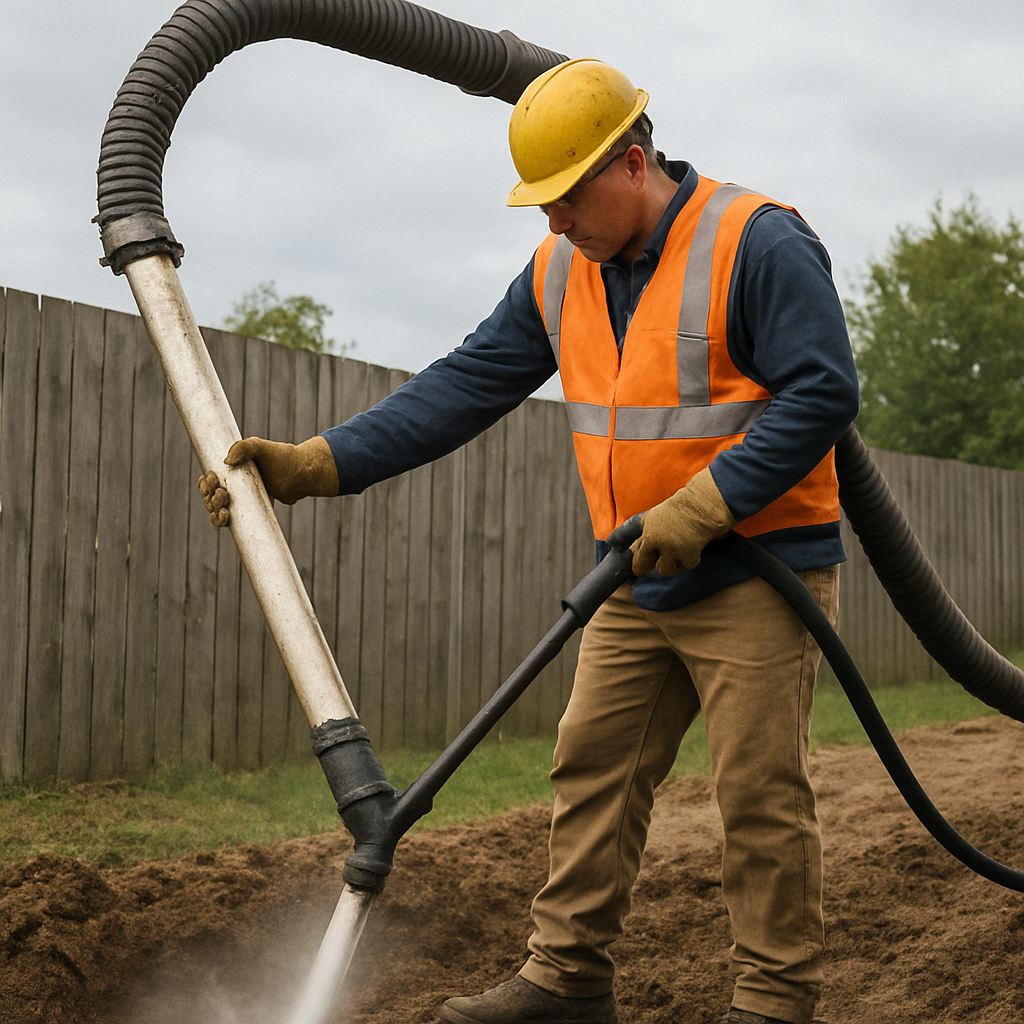
High-pressure water jetting uses specialized pumps and flexible hoses to blast water directly into your plumbing lines. We are talking about water pressure reaching up to 5,000 PSI or more. Technicians feed a heavy-duty hose with a custom nozzle right down into your drains.
The magic happens at the nozzle. It shoots water backwards to propel the hose deep into the pipe. At the same time, it blasts water forwards and sideways. This completely scours the inside of the pipe. It obliterates anything standing in its way.
It works incredibly well. It strips the pipe walls bare, leaving them looking almost brand new.
Why Old-School Methods Fail on Industrial Sites
You might wonder why you cannot just use a standard mechanical drain snake. Or pour some heavy-duty chemicals down the grate.
Here is the truth. Industrial sites are entirely different beasts compared to residential homes.
Mechanical drain snakes, or electric eels, use a spinning metal coil to punch a hole through a blockage. They work okay for a small blockage in a residential bathroom. But in a massive industrial stormwater pipe? They just punch a tiny hole through the sludge. The water slowly drains away. But the grease, scale, and mud stay stuck to the walls. A week later, the hole closes up again. You are back exactly where you started.
Chemical cleaners are even worse. They rarely work on industrial-scale blockages. Worse still, they eat away at your expensive infrastructure. Pouring massive amounts of harsh chemicals into the Australian water system also puts you at serious risk of heavy environmental fines.
You need something that actually removes the problem completely.
The Massive Benefits for Your Site
I always tell site managers that jetting is not just a quick fix. It is a long-term strategy for protecting your assets. Here is exactly what you get when you bring in the big guns.
Complete Pipe Restoration
Water jetting does not just clear the immediate blockage. It cleans the entire pipe.
Industrial drains constantly build up layers of muck. In food processing plants, thick layers of fats, oils, and grease coat the pipes. In manufacturing, you get chemical scale and hard mineral deposits. In civil and mining sites, heavy silt and mud bake onto the concrete walls.
The high-pressure water slices through these layers. It peels the grease and scale right off the walls and flushes it out to the main sewer or a vacuum truck. Your pipes return to their original diameter. Water flows exactly how the engineers originally designed it to flow.
Serious Long-Term Cost Savings
Nobody likes paying for maintenance. But paying for emergency repairs costs a whole lot more.
When you just punch a hole through a blockage with a mechanical snake, you will be calling the plumber back next month. Those call-out fees add up incredibly fast. Because water jetting strips the pipe completely clean, it takes way longer for new debris to build up.
You spend a little more on a thorough jetting service today. But you avoid making five separate emergency calls over the next year. You protect your budget.
Keeping Your Team Safe
Blocked drains create serious safety hazards. When contaminated water pools on a factory floor, you suddenly have slip-and-fall risks. Bacteria breeds in stagnant water. The smell alone makes working conditions miserable for your staff.
Fast, effective jetting eliminates these hazards immediately. You keep your site clean. You keep your team safe. You keep the union reps happy.
Protecting Your Pipes from Damage
There is a massive myth floating around that high-pressure water damages pipes. I hear it all the time. People worry the pressure will blow apart old joints or crack PVC lines.
It simply isn’t true. Experienced technicians adjust the water pressure to match the specific type and condition of your pipes.
A metal electric eel violently thrashes around inside your plumbing. It frequently smashes through brittle clay pipes or scratches the inside of PVC. Water jetting uses nothing but water. It is incredibly tough on blockages but entirely gentle on the actual pipe structure.
Environmental Compliance
The Environmental Protection Authority (EPA) here in Australia does not mess around. If your site overflows and pushes contaminated water or heavy silt into the local stormwater system, you face massive fines.
Keeping your internal drainage systems clear is a non-negotiable part of environmental compliance. Water jetting clears your sediment traps and gross pollutant traps effectively. Plus, the process itself is highly environmentally friendly. It uses zero harsh chemicals. It is literally just pressurized water doing all the heavy lifting.
Real-World Examples from Aussie Sites
Let us look at how this plays out in the real world across different Australian industries. I want to show you exactly how versatile this solution really is.
The Food Processing Plant
Imagine a commercial abattoir or a large bakery. Every single day, animal fats, cooking oils, and food scraps wash down the drains. Warm fat flows easily. But as soon as it hits the cold underground pipes, it solidifies.
It turns into massive, rock-hard fatbergs. Standard cleaning tools just bounce off them. High-pressure water equipped with a specialized cutting nozzle slices these fatbergs into tiny pieces. Hot water jetting can even melt the grease away entirely, flushing the lines completely clean.
The Civil Construction Site
I see this happen constantly on new housing developments. Heavy rain washes hundreds of kilos of dirt, sand, and clay into the newly laid stormwater lines. The sun comes out, and that mud bakes into a solid mass inside the pipe.
When it comes time for the final council inspection, the pipes fail. The developer panics. A hydro-jetting truck rolls in. It blasts the compacted mud loose while a vacuum truck sucks the debris out of the pit. The developer passes the inspection and gets their compliance certificate.
The Old Manufacturing Facility
Many older factories in Sydney and Melbourne have huge, ancient terracotta pipes. Over decades, massive tree roots hunt for moisture and force their way inside the pipe joints. They form incredibly dense root balls that trap every piece of rubbish flowing past.
An electric eel would shatter those old terracotta pipes. A water jetter equipped with a root-cutting nozzle shreds the roots into pulp. The roots wash away, and the fragile pipe remains completely intact.
How the Process Actually Works
If you have never booked a jetting service before, you might wonder what happens on the day. Let me walk you through it. It is a highly organized process.
First, the team assesses the site. They look at your site plans and identify the main access points and inspection openings.
Next, they usually run a CCTV drain camera down the line. I always recommend doing this. You cannot fix what you cannot see. The camera shows exactly what is causing the blockage and where it sits. It also confirms the structural integrity of the pipe.
Then, the jetting begins. The technician selects the right nozzle for the job. A penetrating nozzle punches through solid mud. A flail nozzle spins rapidly to cut tree roots. A bomb nozzle flushes heavy debris backwards.
They feed the hose in and slowly work it through the line. You can hear the water roaring underground. They pull the hose back and forth, scrubbing every inch of the pipe.
Finally, they run the camera down the line a second time. This is your proof. You see exactly what you paid for. You see a perfectly clean, clear pipe ready to handle massive volumes of water.
Setting Up a Preventative Maintenance Plan
The absolute best time to clean your industrial drains is before they block.
I tell every site supervisor I meet to stop reacting to emergencies. Start planning ahead.
Set up a routine maintenance schedule. For a heavy food processing plant, you might need a jetting service every three months. For a clean warehousing facility, once a year might be plenty.
Think of it like servicing your forklift or your factory machinery. You do not wait for the engine to blow up before you change the oil. You service it regularly to keep it running smoothly. Your underground infrastructure needs exactly the same respect.
Regular maintenance catches small root intrusions before they crack the pipe. It washes away thin layers of grease before they turn into solid boulders. It keeps your business running without any unexpected interruptions.
What to Do Right Now
Look, managing an industrial site is stressful enough. You have a million different things competing for your attention every single day. Do not let a blocked sewer line be the thing that ruins your week.
Take a walk around your site today. Look at your floor wastes. Check the stormwater grates out in the yard.
If you see water draining slowly, you have a problem building up. If you hear strange gurgling sounds, a blockage is forming. If you smell foul odors coming from the drains, rotting debris is trapped inside your pipes.
Do not wait for the water to overflow onto the factory floor. Do not pour bleach down the sink and hope for the best.
Call a local industrial plumbing expert. Ask them about their high-pressure water jetting capabilities. Make sure they use CCTV cameras to inspect the work. Book a routine clean.
It is the smartest, fastest, and most effective way to protect your infrastructure. Your pipes will thank you. Your budget will thank you. And you will sleep a whole lot better knowing your site is safe, compliant, and ready for whatever gets thrown down the drain.




Leave a Reply
You must be logged in to post a comment.