The Role of SDA Housing
There’s something special about having your own place. There’s more to it than four walls and a front door. It’s about the privacy and comfort and routine and the freedom to live life in a way that feels good for you.
That level of independence hasn’t always been easy to achieve for many NDIS participants. For years, housing was scarce and people were often expected to fit into the system, rather than the system fitting into them.
This is where SDA, or Specialist Disability Accommodation, can really make a difference.
Once you get through the paperwork and funding terms, SDA really is about creating the right foundation for everyday life. And it’s not just about safety. It’s about choice, confidence and a home that supports the future you want to build.
Let’s see how SDA housing helps make that happen.
Moving Past “Just a Place to Stay”
For a long time, disability housing was treated as a basic need and nothing more. If someone had very high support needs or extreme functional impairment, the goal was often just to find an available place. That usually meant older group homes, limited choice, and routines built around the service rather than the person.
That approach left very little room for independence.
Modern SDA changes that. These homes are designed around the person living in them. That matters more than people sometimes realise.
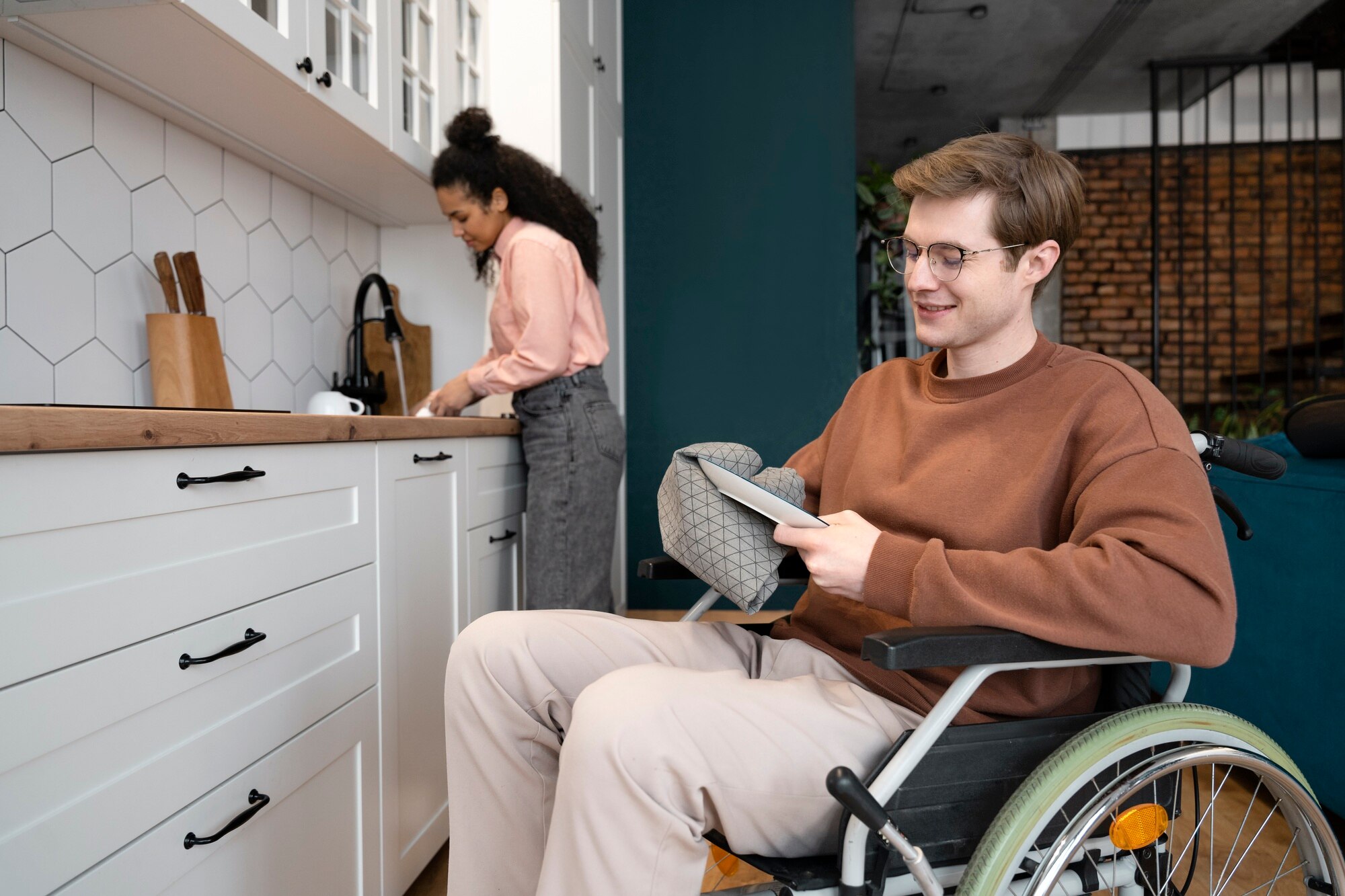
When your home actually works for your body, your mobility, or your support needs, everyday tasks become easier. You’re not wasting energy trying to get through narrow spaces, awkward bathrooms, or layouts that were never built with you in mind.
Instead of spending the day working around your home, your home starts working for you.
And that shift can open up a whole new level of freedom.
The Ultimate Shift in Power: Choice and Control
One of the biggest strengths of SDA is that it gives more power back to the participant.
Your funding is there to support you. It doesn’t belong to a provider, a landlord, or a care organisation. That means you get a real say in where you live and what kind of home suits you best.
In practical terms, that can mean a few really important things:
- You choose the area: Maybe you want to live close to family, near your favourite local café, or in a suburb with good transport and easy access to services.
- You choose the type of home: Depending on your funding and needs, that might be an apartment, a villa, or a shared home.
- You choose how you live: It’s your home. You decide your routine, your visitors, your meals, and the little details that make a place feel like yours.
That kind of control matters. It helps shift the experience from being placed somewhere to actually choosing somewhere.
And that’s a big part of building an independent future.
Designing for Daily Autonomy
A lot of independence lives in the small moments.
It’s being able to open the blinds in the morning. Make a cup of tea when you feel like it. Move through your home without asking for help every few minutes. Adjust the air-conditioning on a hot day without needing someone else to step in.
Good SDA design supports exactly those moments.
In Brisbane, especially in High Physical Support homes, you’ll often see features that make daily life smoother and less stressful, such as:
- Smart home technology: Lights, doors, blinds, and other functions can often be controlled from a phone, tablet, or switch system.
- Adjustable features: Kitchens may include height-adjustable benchtops so the space works for the person using it.
- Accessible layouts: Wider doorways, step-free access, and bathrooms designed for easier movement can make a huge difference.
These features aren’t about looking impressive on paper. They’re about making daily life feel more natural.
When a home removes barriers, it can also reduce how often you need hands-on help for simple tasks. That gives you more privacy, more confidence, and more control over your own routine.
Beating the Queensland Elements
If you live in Queensland, you already know the weather can be beautiful one minute and brutal the next.
Hot, humid days. Sudden storms. Power outages in the middle of summer. All of that affects how a home feels and how safely it functions.
That’s why good SDA housing in Brisbane needs to do more than meet minimum standards. It has to suit real life in this part of the country.
The right property can include things like:
- Zoned air-conditioning to help keep the home comfortable during those sticky summer months
- Shaded outdoor areas so you can enjoy fresh air without getting smashed by the heat
- Reliable backup power systems for homes where residents rely on assistive technology or essential equipment
That last point is especially important. If someone depends on powered doors, ceiling hoists, or other equipment, a blackout isn’t just inconvenient. It can become a serious safety issue.
A well-designed SDA home helps reduce that risk and gives people more confidence in their day-to-day living, even when the weather turns.
Integrating with the Community
Independence doesn’t mean doing everything alone. It also doesn’t mean being cut off from the world around you.
A good home should make it easier to stay connected to your community, not harder.
In the past, disability housing was often built in areas where land was cheaper, which sometimes meant being further away from shops, transport, work, and social spaces. That kind of distance can quietly chip away at independence.
That’s changing.
More SDA homes are now being developed in better-connected parts of Brisbane, including middle-ring suburbs and areas close to transport links and services.
That can support daily life in simple but important ways:
- Getting to the shops more easily: If the local shops are close by and the streets are accessible, everyday errands become far more manageable.
- Using public transport: Living near an accessible station or busway can make a big difference when it comes to work, study, appointments, or catching up with friends.
- Feeling part of the neighbourhood: Saying hello to neighbours, knowing the local café staff, and being recognised in your area all help a place feel like home.
Those things might sound small, but they matter. They help build belonging, confidence, and routine.
The Crucial Separation of Housing and Care
One of the most important parts of the SDA setup is that housing and support are not the same thing.
Your SDA funding covers the home itself. Your support, such as Supported Independent Living (SIL), is funded separately.
That separation gives you more protection and more choice.
In older models, the same organisation might provide both the house and the support staff. If the support wasn’t working well, it could feel risky to speak up because your housing was tied to that arrangement.
With SDA, that doesn’t have to be the case.
You can live in an SDA property and have a separate support provider helping you with daily tasks. If the support team isn’t the right fit, you can look at changing that support without automatically losing your home.
That’s a big deal.
It means your home stays your home. You’re not forced to put up with poor support just to keep a roof over your head.
And that kind of security makes it much easier to plan ahead.
Securing Long-Term Stability
It’s hard to think about the future when your housing feels uncertain.
That’s true for anyone, but it can be even more stressful for people with disability trying to find a home that’s accessible, appropriate, and stable.
The private rental market in Brisbane is tough enough as it is. Low vacancy rates, rising rents, and limited accessibility can make the search exhausting. Even if you do find a place that works, there’s no guarantee it will stay available long term.
SDA can offer a much more stable path.
These homes are designed for long-term living. They’re built for accessibility from the start, and they exist to support people who need that kind of housing over time.
That stability matters because it gives people room to think beyond the next lease renewal or sudden move. It creates space to focus on the bigger picture, including:
- work goals
- study
- relationships
- hobbies
- health and wellbeing
- everyday routines that help life feel settled
When your home feels secure, the rest of life becomes easier to build around it.
Taking Charge of Your Next Steps
Getting into SDA isn’t always quick or simple. There’s paperwork, assessments, waiting, and plenty of back-and-forth. At times, it can feel draining.
Still, for many people, the outcome can be life-changing.
At its best, SDA is about more than housing. It’s about having a home that supports your goals instead of getting in the way of them. It’s about living in a space that gives you more freedom, more comfort, and more say over your future.
If you’re exploring whether SDA might be right for you, it helps to start with the right conversations.
You might want to:
- Talk with your Support Coordinator about your current housing situation and goals
- Speak with an Occupational Therapist who understands SDA assessments and functional housing needs
- Look at available properties in Brisbane to get a feel for what’s out there and what might suit you
At the end of the day, everyone deserves a home that feels safe, personal, and supportive.
Not just a place to stay.
A place where life can actually move forward.